In the electric hum of stage lights and the quiet discipline of rehearsal rooms, Tyne Daly didn’t simply build a career—she forged a legacy that feels inseparable from the very fabric of American performance.
Born in Madison, Wisconsin into a theatrical family, she inherited more than opportunity; she inherited a deep, almost instinctive understanding of storytelling.
From the beginning, there was something unmistakably grounded about her presence—an authenticity that resisted flashiness and instead drew audiences in with emotional truth.
Watching Daly perform has always felt less like observing a character and more like witnessing a life unfold in real time.
 Her defining breakthrough came with Cagney & Lacey, a series that didn’t just entertain—it quietly reshaped television.
As Mary Beth Lacey, Daly delivered a performance rooted in realism: a working mother balancing duty, danger, and domestic life with a complexity rarely seen on screen at the time.
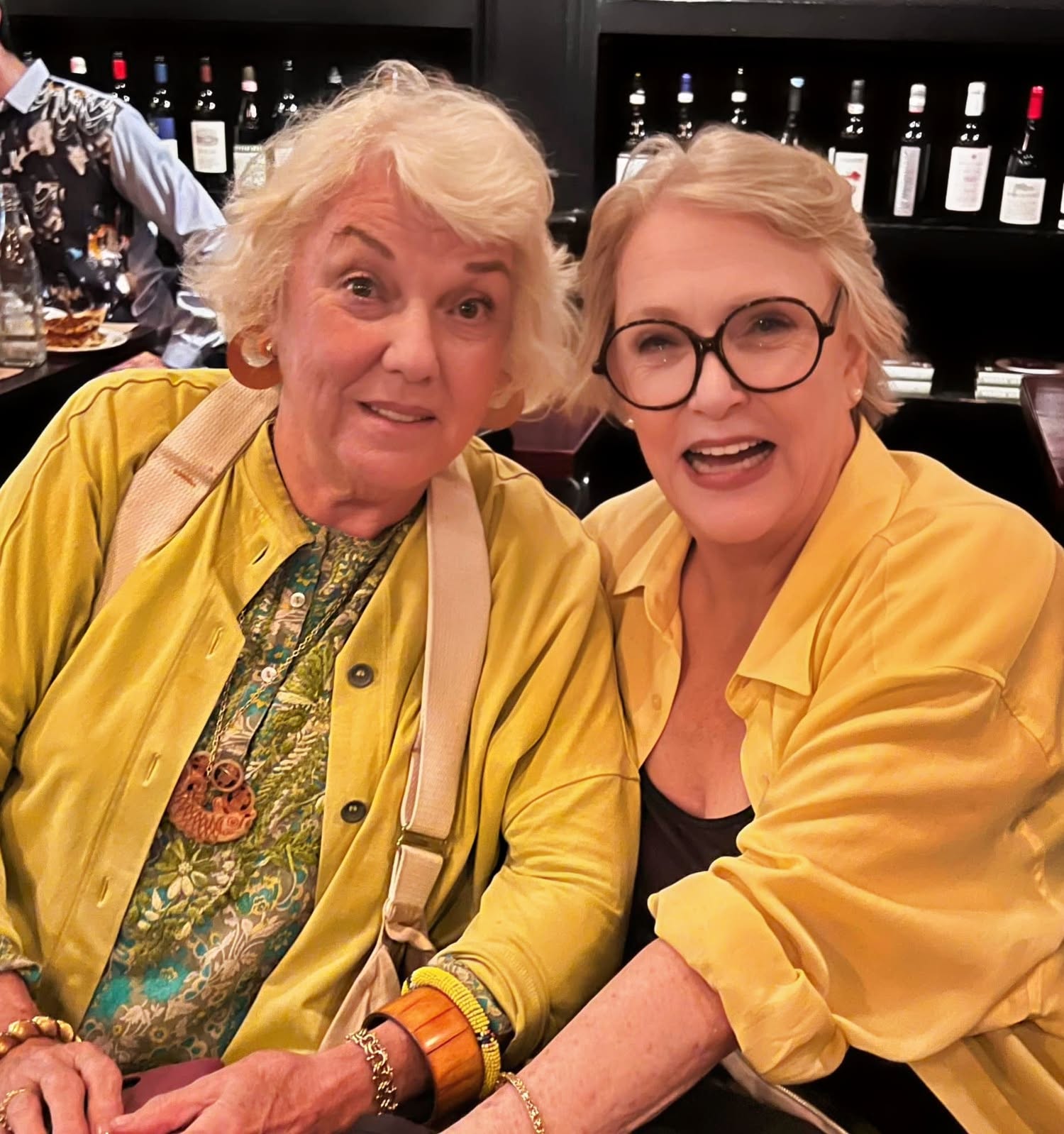
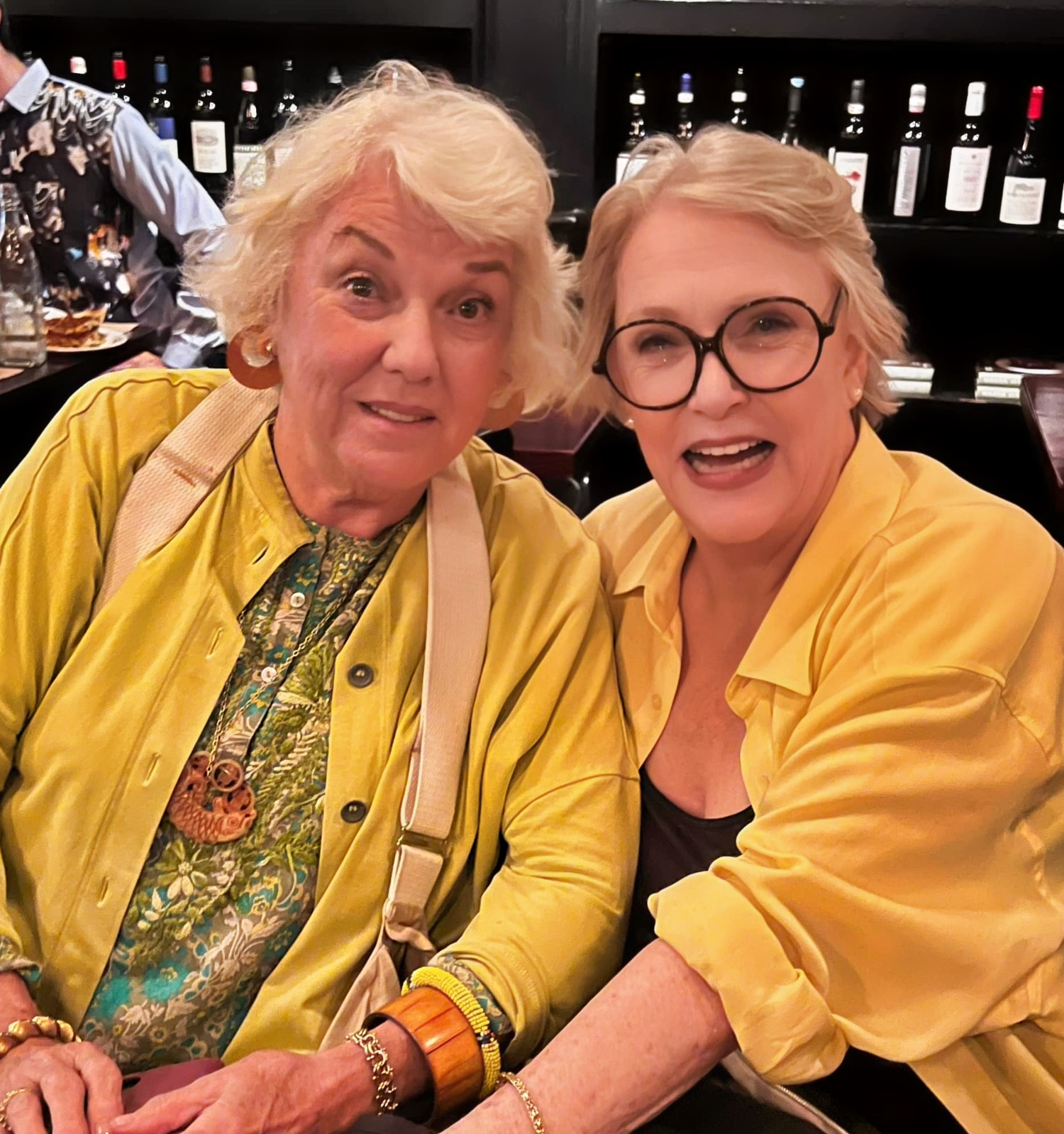
Alongside Sharon Gless, she formed a partnership that became iconic not because it was glamorous, but because it was believable.
Their chemistry wasn’t manufactured; it reflected a shared commitment to portraying women as fully realized human beings—flawed, strong, exhausted, and resilient all at once.
In an era dominated by archetypes, Daly brought dimension, and in doing so, helped redefine what audiences expected from female-led drama.
 The recognition followed naturally. Her four Primetime Emmy Awards wins for the role weren’t just accolades—they were affirmations of a shift in storytelling itself.
Yet what’s most striking is how little those honors seemed to alter her trajectory. Daly never chased celebrity in the conventional sense.
Instead, she remained anchored in the craft, choosing roles that demanded depth rather than visibility.
There’s a quiet defiance in that approach—a refusal to be consumed by the superficial rhythms of fame, and a commitment to something far more enduring: the work.
 Beyond the 1980s, her career unfolded like a masterclass in longevity. In Christy, she brought warmth and authority to a period setting, earning further acclaim for her nuanced performance.
Later, in Judging Amy, she once again proved her ability to anchor a series with emotional intelligence and gravitas.
Each role felt distinct, yet unmistakably hers—tied together by that same unwavering commitment to truth.
Whether portraying strength or vulnerability, Daly never relied on theatrics; she trusted the quiet power of presence.
Her work on stage has been equally formidable.
On Broadway, she has delivered performances that carry the same emotional weight as her screen roles, reminding audiences that great acting transcends medium.
Theater, with its immediacy and vulnerability, seems almost tailor-made for her style. There are no retakes, no edits—only the raw exchange between performer and audience.
And in that space, Daly thrives, proving that her talent isn’t just enduring; it’s deeply rooted in the fundamentals of the craft.
 Now, reflecting on her journey in 2026, what stands out isn’t just the length of her career, but the consistency of its integrity.
In an industry that often rewards reinvention for its own sake, Tyne Daly has remained remarkably centered.
She hasn’t needed to chase trends or redefine herself to stay relevant—because authenticity, when sustained over decades, becomes its own form of evolution.
Her performances continue to resonate not because they are flashy, but because they are honest.
 Ultimately, Tyne Daly represents something increasingly rare: an artist whose legacy is built not on spectacle, but on substance.
She reminds us that true greatness in performance doesn’t come from being the loudest voice in the room, but from being the most truthful.
And in a world that often moves too quickly to notice such things, her work stands as a steady, luminous reminder of what acting can be at its very best.